By Carol Khorramchahi
Boston University News Service
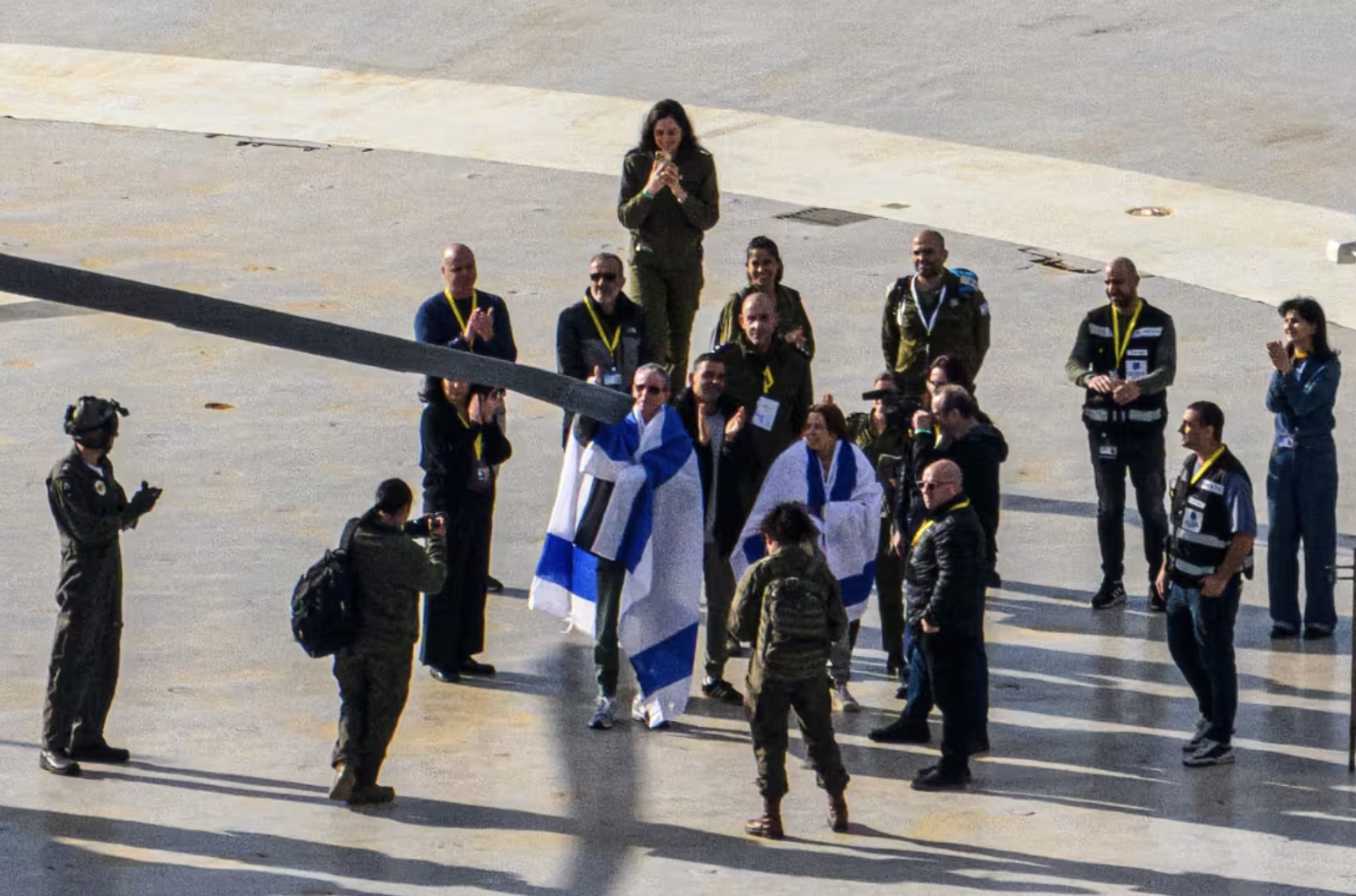
On Oct. 13, 2025, Hamas released the final 20 living Israeli hostages from Gaza, the Israeli military said, under a U.S.-Qatari-Egyptian and Turkish-brokered deal that paired releases with a phased ceasefire and large-scale prisoner exchange. The milestone eased a central point of leverage in the war but raised difficult questions: how to turn a fragile truce into a durable ceasefire, how to scale humanitarian aid, and whether Israel and Hamas can manage any “next phase” without returning to open conflict.
What the releases changed and what didn’t
A crucial bargaining chip is gone, reshaping leverage on both sides. With all living captives freed, Israel can no longer frame battlefield pressure as necessary to bring home survivors, while Hamas loses its most potent source of leverage in negotiations. Analysts note Hamas accepted the risk of handing over the last living hostages before securing a full Israeli withdrawal, betting Washington’s investment in the deal would sustain the truce. That gamble now shifts pressure to codify a longer ceasefire and address sequencing on withdrawals and governance.
The issue of the deceased still hangs over talks. The ceasefire framework requires the return of remains or information about those who died in captivity. As of late October, the parties were still coordinating recovery and repatriation efforts, and disputes about timing and compliance have already spilled into public view. Israel has accused Hamas of delaying or withholding remains; Hamas says ongoing Israeli control of parts of Gaza hampers recovery. This unresolved piece is emotionally charged for families and politically salient in Israel, and it could affect whether the truce advances to later phases.
Ceasefire talks: From “first phase” to something durable
Momentum exists, but terms are fragile. Mediators in Cairo and Doha designed the initial exchange to unlock further steps: extended quiet, staged Israeli withdrawals, and a pathway to broader political talks. With the living hostages released, negotiators must now settle verification of remains, withdrawal maps and timelines, and mechanisms to prevent spoilers. Earlier rounds showed these details can stall progress even amid high-level optimism.
Domestic politics on both sides will shape the pace
In Israel, families of hostages and a broad swath of the public pushed hard for an agreement; they now want closure on the deceased and clarity on what comes next. Inside the governing coalition, hawks warn against moves they say would strengthen Hamas; centrists argue for consolidating the truce. Hamas leaders, meanwhile, must sell any next steps to constituents in devastated Gaza and to their own cadres after relinquishing a key bargaining chip. Mediators will likely sequence small, verifiable steps, remain transfers, define drawdowns and aid benchmarks to build confidence.
Humanitarian aid: The promise and the bottlenecks
Aid flows should expand, but access remains politically contingent. The ceasefire text envisions reopening and sustaining crossings and enabling large-scale medical evacuations. In practice, crossings have opened unevenly, with Rafah and other points snagged by security, logistics, and tit-for-tat accusations of noncompliance tied to the remains issue. Humanitarian groups stress that any durable ceasefire must lock in predictable, insulated aid corridors, with clear deconfliction and inspection arrangements accepted by all parties.
Benchmarks that matter next:
- Daily truck and fuel targets were actually met at multiple crossings.
- Safe passage for medical teams and evacuations.
- Rapid repairs to water, power, and hospital infrastructure under monitored arrangements.
- A dispute-resolution mechanism that prevents aid from becoming a pressure point when talks stall.
Israel–Hamas relations: De facto rules, not recognition
Pragmatic, indirect contact is expected — not reconciliation. The releases were transacted via mediators; that is likely to remain the mode. Neither side seeks formal recognition of the other. Instead, they will rely on tacit “rules of the road”: no rocket fire or cross-border raids, no targeted killings or major incursions and continued indirect bargaining over phased withdrawals, policing and reconstruction. Slippage on any of these can unravel the truce quickly.
Security and governance are the thorniest unresolved issues. Who polices Gaza during and after withdrawals? What role, if any, for a technocratic administration, Arab or international monitors, or reconstituted Palestinian Authority functions? Without an agreed governance track, even generous aid will struggle to translate into recovery, and any local vacuum will invite spoilers. Mediators will likely try to link incremental withdrawals to standing up vetted local policing and municipal services, backed by external guarantees.
Bottom line
The release of all living Israeli hostages is a humanitarian milestone and a political pivot point. It removes the most volatile piece of leverage from both sides and creates space to turn a fragile truce into a fuller ceasefire — if negotiators can resolve the remains file, stabilize aid access and sequence withdrawals with realistic governance steps. Otherwise, aid will remain hostage to politics, and the truce could fray before it matures.