By Paige Albright
Boston University News Service
Despite being a midterm election, the 2026 congressional election cycle is on track to become the most expensive in history. While final figures have yet to be tallied, projections estimate spending will reach nearly $12 billion, according to OpenSecrets.
Spending has surged across the board, from individual candidate campaigns to contributions from some of the country’s wealthiest donors. According to AdImpact, spending in the 2026 election cycle has already surpassed that of previous election cycles, including presidential election years.
Candidate campaigns have spent approximately $3.2 billion this cycle, accounting for roughly 90% of the total amount raised by candidates, according to Federal Election Commission (FEC) data.
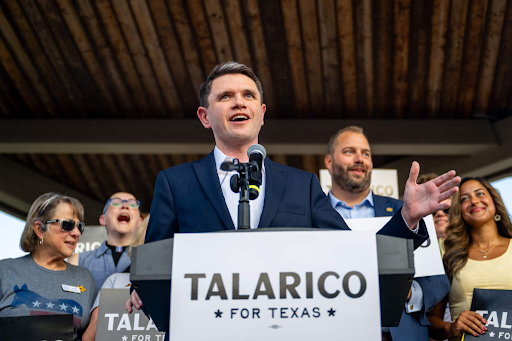
As of Oct. 28, James Talarico, the Democratic nominee for U.S. Senate in Texas, was the cycle’s highest-spending candidate, with more than $136 million in expenditures recorded. Across races nationwide, Democratic candidates have outspent Republican candidates by approximately $800 million, according to OpenSecrets.
Some candidates have even spent more than they raised during the current election cycle. In New Jersey, Rep. Josh Gottheimer’s campaign has reported more than $12 million in spending despite raising only around $5 million, according to USAFacts, more than twice its reported fundraising total.
Although rare, a campaign can spend more than it brings in by spending money raised from previous campaigns. They are also able to take out personal loans, bank loans, and draw advances on a brokerage account, credit card, or home-equity line of credit, provided the loan is made under commercially reasonable terms in the ordinary course of the lender’s business.
Candidate campaign spending is only one part of the overall election spending picture. Political parties and political action committees (PACs) also raise and spend money to influence elections. Traditional PACs and political parties can contribute directly to candidate campaigns, subject to federal contribution limits, while also spending money on their own political activities.
Super PACs operate under different rules. They can raise and spend unlimited amounts of money to support or oppose political candidates, but cannot contribute directly to campaigns or coordinate their spending with candidates. Instead, they fund independent expenditures, such as advertisements supporting a candidate or attacking an opponent.
Outside spending and contributions from wealthy donors have also helped fuel the record-setting totals. By mid-October, the 40 largest donors had contributed more than $2.4 billion to federal election spending in the 2026 cycle, according to the Brennan Center for Justice.
The 40 largest donors have contributed more and more in each midterm election since 2014, with this cycle’s total reaching eight times the amount given by the top donors in 2014, even after adjusting for inflation. Among them is Elon Musk, who has contributed $445 million to federal committees this year, including America PAC, the super PAC he personally founded and funded.
There has also been a growing presence of industry-backed political spending, with groups representing interests such as artificial intelligence, cryptocurrency and online gaming becoming increasingly active. In some cases, their spending has grown dramatically, approaching the totals of groups traditionally associated with Democratic donors.
This cycle, two groups, Geosor Corp. and Fund for Policy Reform, both linked to the billionaire financier George Soros, have combined to give over $102 million to liberal groups. Crypto companies have also been very active this cycle, with Ripple and Coinbase combining to give $63 million to fund super PACs promoting the crypto industry’s interests.
With the 2028 presidential election on the horizon, the record-setting spending of the 2026 midterms may be only a preview of what’s to come. As campaign costs continue to climb, the question is no longer just how much money candidates and outside groups are willing to spend, but what that growing price tag means for the future of American elections.