By Allegra West
Boston University News Service
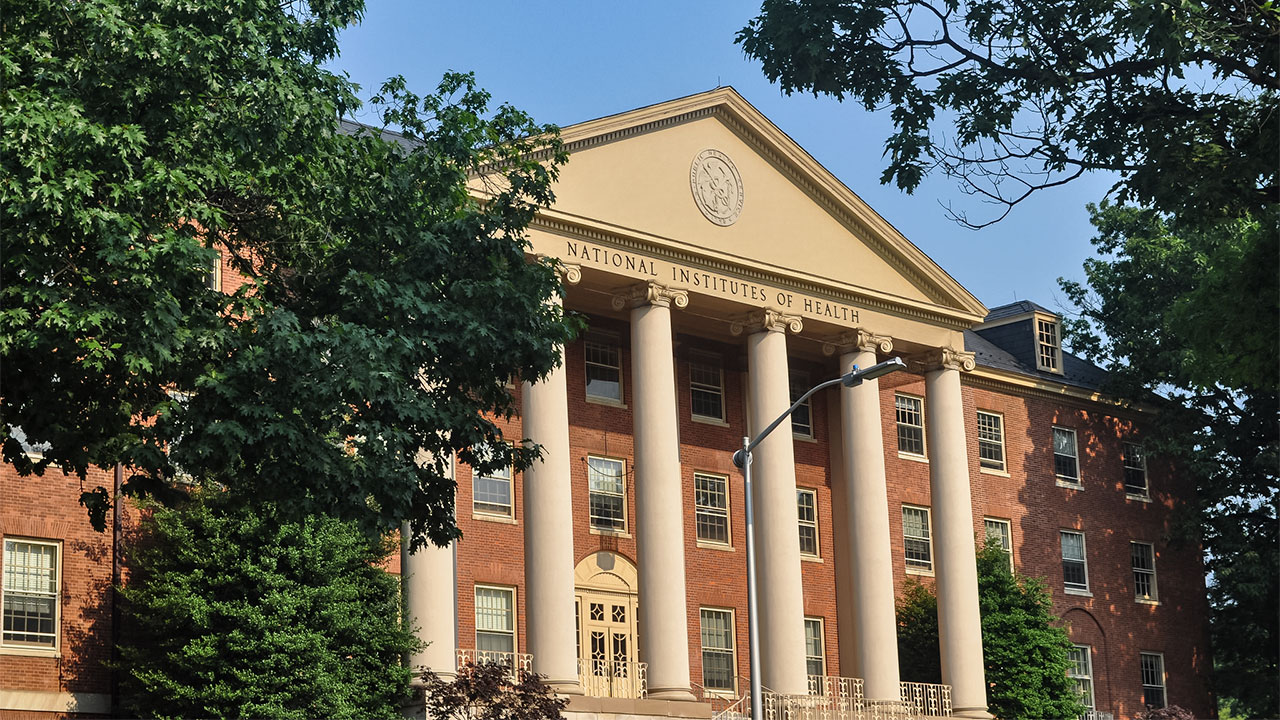
On Feb. 7, 2025, the National Institute of Health announced a new standard indirect rate of 15% for all NIH funded grants — substantially cutting down the amount of funding historically given. This cut affects many research institutions and universities who receive NIH funding, including Boston University, Harvard School of Public Health and other research institutions.
In an announcement made by the NIH Office of the Director, “[the] NIH is obligated to carefully steward grant awards to ensure taxpayer dollars are used in ways that benefit the American people and improve their quality of life.” According to the NIH Office of the Director, by cutting down on funding for grant awards, the NIH said it hopes to better manage taxpayer dollars and maximize the total benefits.
However, BU Assistant Professor of Health Law, Policy and Management Matthew Phillip Motta said the NIH funding cuts are an unprecedented attack on scientific research by the Trump administration.
“The president is legally required to spend money that is appropriated by Congress to different federal agencies, including the National Institute of Health, CDC, NSF, etc,” said Motta. “So when he decides that he’s going to unilaterally cancel contracts, whether that means pulling money that’s already been worded or saying that the indirect rates for which universities are reimbursed … those indirect rates are going to be capped unilaterally.”
According to Motta, by the Trump administration unilaterally capping the funding rates, they are imposing limits on indirect cost reimbursement rates for universities and research institutes without negotiation or Congressional approval.
Motta said this can become a big concern for universities like BU who rely on NIH funding to continue research. In fact, Motta said that several of his colleagues have had their funding terminated preceding this announcement. “I think everybody knows someone who has been impacted.”
In addition to NIH funding cuts, thousands of government health resource web pages have been taken down following President Donald Trump’s executive order in January to end government diversity, equity and inclusion (DEI) programs. Government websites like the Center for Disease Control (CDC) have taken down or archived web pages about many different topics, including gender ideology, vaccine information and LGBTQ+ health.
“What the Trump administration has done is not just take away that data and recommendations that the cities rely on, but has actively moved to cancel meetings of scientific researchers and other experts who provide critical information to not just policy makers at the state level, but also to pharmaceutical companies who are tasked with making sure that, for example, our flu shots are up to date, [and] are making an effort to map the most virulent strains of influenza,” said Motta.
These new government orders mark a shift in federal policy on scientific research, signaling changes in funding priorities and oversight for the future.
Among the mass waves of cuts to healthcare funding, the Fenway Institute — a healthcare institute focused on sexual and gender minorities (SMG) and those affected by HIV — lost 14 grants. The institute is not the only LGBTQ+ focused facility affected by the cuts, as many other research centers like the LGBTQ Health Center of Excellence at Harvard have also lost a majority of their funding from the NIH.
In addition to the NIH cuts in funding, the NIH has implemented major layoffs announced by the United States Department of Health and Human Services in a press release on March 27, which have already gone into effect.
According to HHS Secretary Robert F. Kennedy Jr., the HHS has not been fulfilling its purpose, saying that healthcare in America is on a decline. “So, we’re reorganizing HHS, so it can do its intended job, which is to make America healthy again,” said RFK Jr. during a press conference in Washington D.C.
Fueling the movement, RFK Jr. embarked on a Make America Healthy Again tour on April 7 in Utah, Arizona and New Mexico to carry out Trump’s promise to make America healthy again.
The HHS and operating divisions within the HHS like the CDC and NIH will likely be seeing more changes like funding cuts and layoffs in Trump’s effort to “make America healthy again.”