
By Shira Levy
Boston University News Service
On the first day of President Donald Trump’s second term in office, he shattered the record for the most executive orders signed in the Oval Office on Day One. Out of the 26 executive orders signed that day, one in particular will hold an effect on Massachusetts and New England.
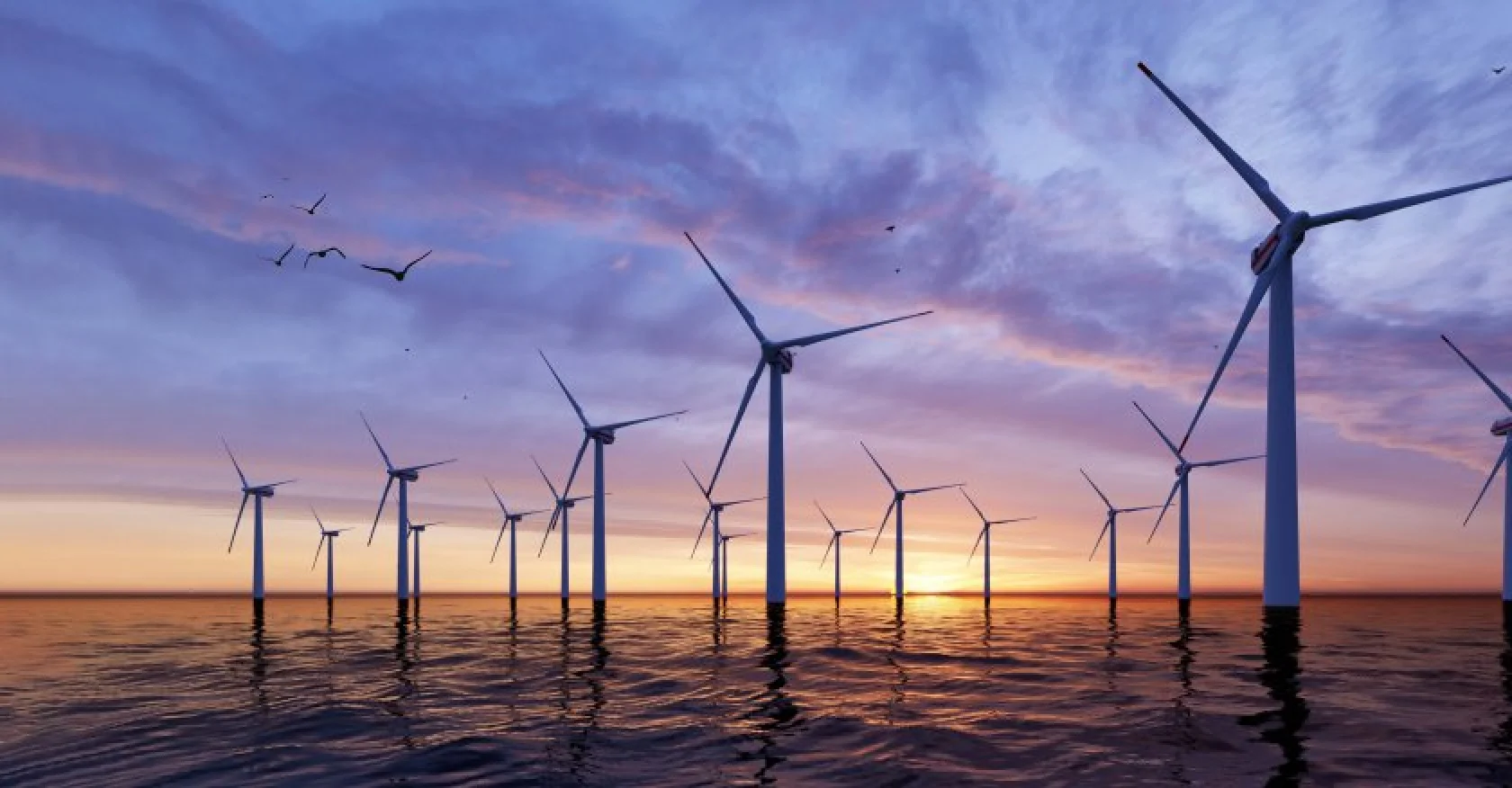
Trump ordered the freezing on both leasing federal areas for new offshore wind projects and issued federal permits for in-process projects. Overall, it will affect the process for companies to get rights to build offshore wind farms in the ocean.
In Massachusetts, Vineyard Wind, the first major offshore wind farm to be built in the United States, can produce enough electricity to power 30,000 homes from the five turbines off the coast of Martha’s Vineyard.
Seeing those high numbers, states like Maine and Virginia have also invested into the offshore wind industry because of the opportunity to break into clean energy.
But now, much of this progress has been halted.
Trump’s executive order will pause some new federal wind leases and projects that are currently being developed. Luckily, the order does not impact projects that have already been permitted. The Vineyard Wind and New England Wind projects will still be carried out in the manner in which they were before Trump signed the order.
If Trump decides that these leases need to be rereviewed, however, legal messes could ensure.
In the case of projects that haven’t been started yet, their future is unknown, even if they have set timelines.
According to many industry experts, it’s said that this new change is unlikely to make a significant impact in the short term for states practicing this form of clean energy. However, there may be many smaller legal, political, environmental and industrial issues under the surface to discuss. This also raises questions about Trump’s intentions and priorities with issuing this order on his first day in office.
Expectedly, many environmentalists are concerned and skeptical about how this move may affect sustainability causes. Surprisingly, however, many fishermen are in favor of the order.
Jerry Leeman, founder and CEO of the New England Fishermen’s Stewardship Association, a nonprofit that represents commercial fishermen, said he’s hopeful that the executive order will bring more fair wind development offshore.
“It’s been a long time since fishermen have had hope for a future,” said Leeman in a press release on New England Fishermen’s website. “We are grateful that the new administration is protecting our iconic, multi-generational trade from foreign energy companies and alphabet soup agencies destroying our way of life.”
Wind energy advocates, on the other hand, argue that this order may impede the nation’s current energy efficiency goals.
Jason Grumet, CEO of the American Clean Power Association, said he disagrees with policies that slow wind development and criticized Trump’s hypocritical energy policies. Grumet said he believes wind power to be “essential” to keeping up with the country’s growing energy needs and to also keep electricity prices reasonable.
“While on one hand the Administration seeks to reduce bureaucracy and unleash energy production, on the other, it increases bureaucratic barriers, undermining domestic energy development and harming American businesses and workers,” Grumet said.
Despite these worries, many think growing offshore wind is inevitable in the New England region because of its significance in economics and its development, as well as meeting other climate goals. Kate Sinding Daly, the Conservation Law Foundation’s Senior Vice President for Law and Policy, said she believes offshore wind has a strong future in New England.
“I continue to think there’s an inevitability to offshore wind continuing to displace fossil fuels in this region,” Daly said. “That isn’t going to be terminated by actions from this administration.”
Further political moves against offshore wind are expected.
While representative Jeff Van Drew of New Jersey discussed trying to make permanent regulations against offshore wind development under the Trump administration, Governor Maura Healey of Massachusetts expressed worry.
With all the contradictory messages being sent by experts in different, but related fields, we must have this conversation among ourselves and our peers to figure out what we value and want to see flourish in the U.S.






Biden Shoveled Wind Turbine Money Out The Door On January 17, 2025, three days before President Trump took office, the Biden administration, through the Bureau of Ocean Energy Management, ignored the ongoing safety investigation into the Vineyard Wind blade failure and the Town of Nantucket’s objections to section 106 of the BOEM permit process.
.
The Biden administration issued a permit to SoutCoast Wind prematurely.
Offshore wind gets Green Energy funds. Federal renewable energy credits can amount to 40 percent of the project.
The Biden administration shoveled as much taxpayer money out the door before inauguration day.
President Trump was inaugurated on January 20, 2025