By Brogan Ringgold
Boston University News Service
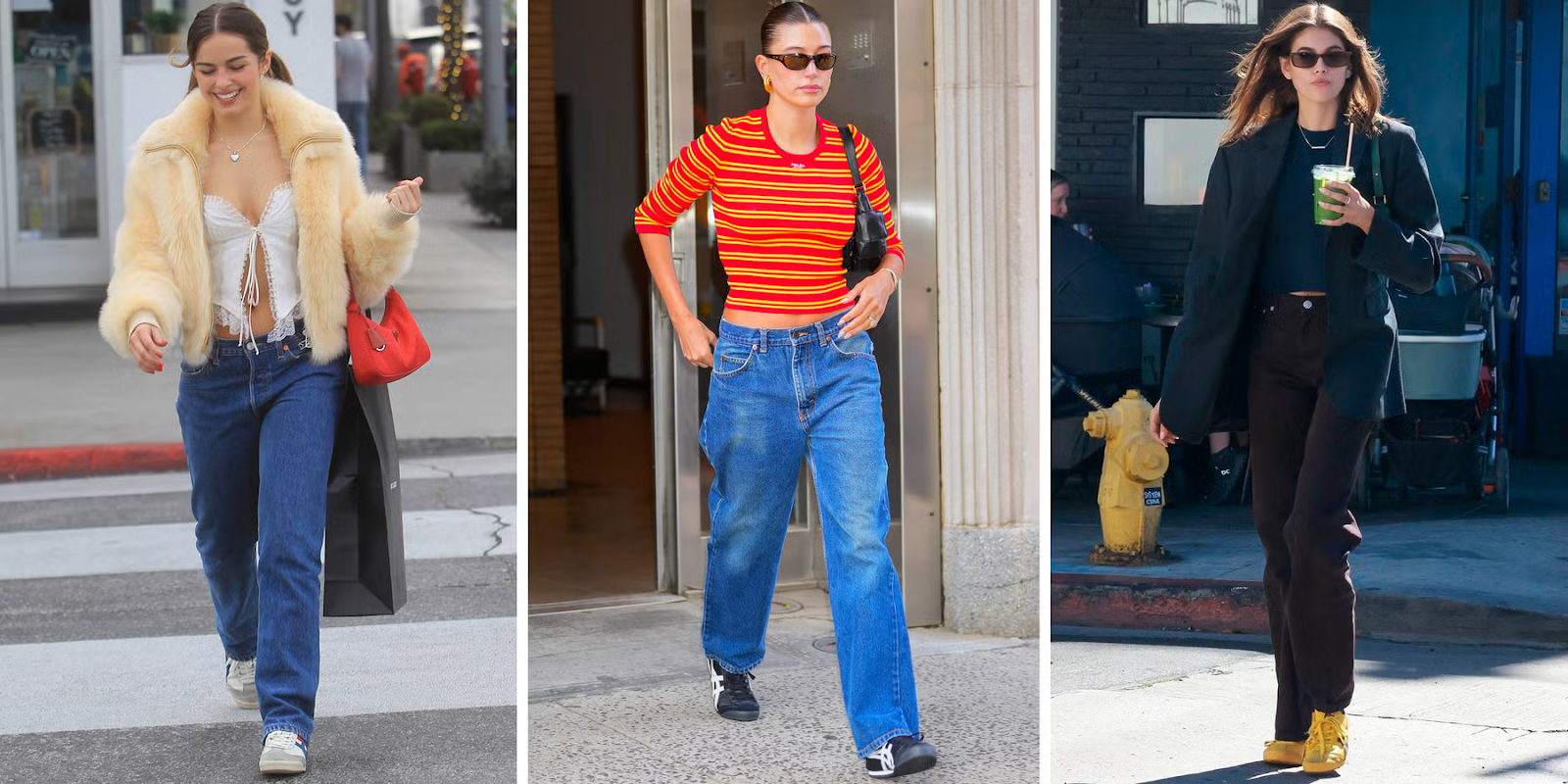
Adidas Sambas, Puma Speedcats, Onitsuka Tigers — the list goes on and on. These are all shoes that have probably graced your social media feed at one point or another over the last year. The smash uprise of slim, low profile shoes mark the death of the chunky sneaker and the signal of a new trend towards minimalism in fashion.
The hot commodity of the “ugly” sneaker, like Balenciaga’s Triple S shoe or the classic Yeezy Boost 350 V2, rose to popularity in 2017 — evidence of the late 2010 maximalist fashion era. Now, the pendulum has swung back in the opposite direction.
For Gen Z, this shoe trend might seem like a new, untapped style by their favorite brands — but anyone older knows this is the return of the retro sneaker.
Leaning into the Y2K aesthetic, brands have brought previously released styles back to their stores and revived them with modern collaborations. The Adidas Samba has dominated this market.
Originally released in 1949, the Samba has been part of Adidas’ collection for decades and has been seen as a classic, simple shoe for the everyday person.
In 2020, breakout British fashion designer Grace Wales Bonner, known for her Afro-Atlantic influences, partnered with the brand to release a limited collaboration of the shoe with crocheted detailing, which would later become the signature Wales Bonner Samba “look.”
The shoe sold out and was being listed on shoe reseller platforms like GOAT and StockX for upwards of four-figures. The combination of luxury and everyday wear caught the attention of social media and different celebrities like Bella Hadid, A$AP Rocky, and Emma Chamberlain.
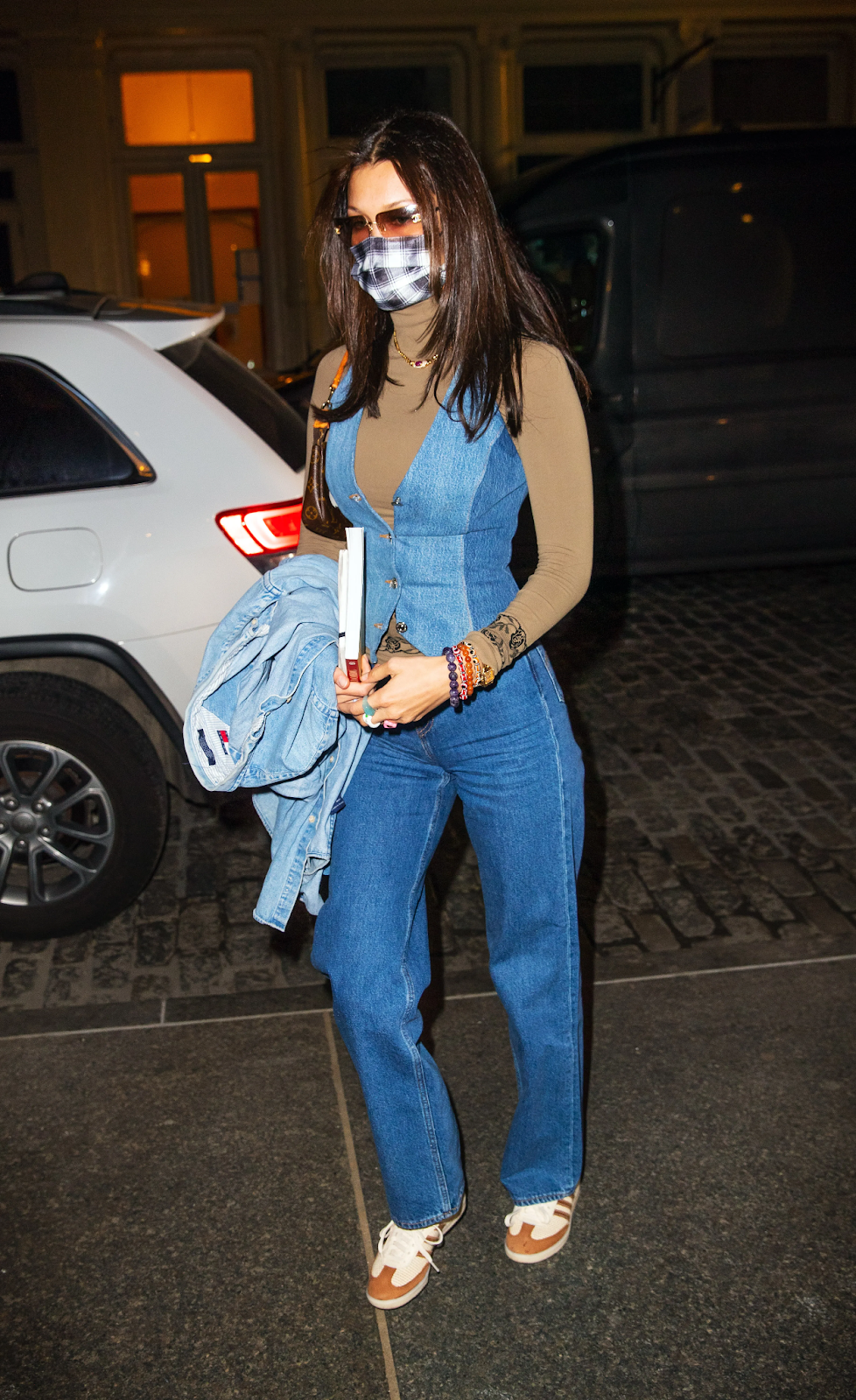
After the success of the Samba, other brands took note of the demand for the retro look.
Onitsuka Tiger (owned by Asics) brought back their Mexico 66 style, originally released for the 1966 Olympics in Mexico City. Released in 1999 as a racing shoe for Formula 1 drivers, Puma relaunched the Speedcat in three newly imagined styles: the Wedge, Ballet, and OG.
“What was actually most surprising to me was the rise of alternative shoe brands, ones that usually do not compete with big names like Nike or Adidas,” said Elyse Bloom, a sophomore at Boston University and previous employee of Famous Footwear. “They were making a major comeback this summer with some older or revamped styles.”
Each of these shoe comebacks have been marked by bright colors and unique designs. Red, yellow, pink, and even metallic silver have been among the most popular. The trend has also given popularity to newer brands, like Alohas, a Hawaiian-based shoe company founded in 2015.
“Our largest display in the store featured numerous colors of Adidas Sambas, Gazelles, Campus, etc. in colors like bright green, pink, blue, yellow, etc.,” said Bloom.
Larger fashion houses have also capitalized off of this trend, like Prada, MiuMiu, and Loewe, including slim-silhouetted shoes in their runway looks.
With more accessible brands and luxury designers bringing the retro vibe back, it points to the general cycle of fashion trends in the past couple of years.
Fashion trends typically follow the “20-year-rule,” which is exactly what it sounds like. Trends typically take 20 years to come back into style from their last popular stint in the general public, according to Style Machine.
Social media has lessened how much this rule remains true, as it seems anything can be popular depending on your corner of the internet. Even so, trends are still following the rule on a broader scale, evident by the return of Y2K fashion and the comeback of the retro sneaker.
While Adidas Sambas have seemed to hit their peak in 2023 and 2024, their popularity is not slowing down, with a new shoe popping up on social media every few weeks.
Ballet influenced shoes have gained popularity, sticking with this slim shoe trend. According to Refinery29, searches for such shoes have increased 1300% over the past year.
As we move into 2026, the retro shoe will continue to be reimagined. Adidas seemingly will remain on top with their Tokyo sneaker gaining popularity on social media in recent months.
“Metallics, ponyhair, patent, and bold colors are dominating,” Ashley Ahwah, Vice President of Adidas Original North America told Refinery29. We will continue to see “understated silhouettes with the juxtaposition of bold colors and materials.”
For now, the slim, retro sneaker is sticking around, but only until something else new and shiny comes to knock it down.