
By Daniela L. Ginsburg
Boston University News Service
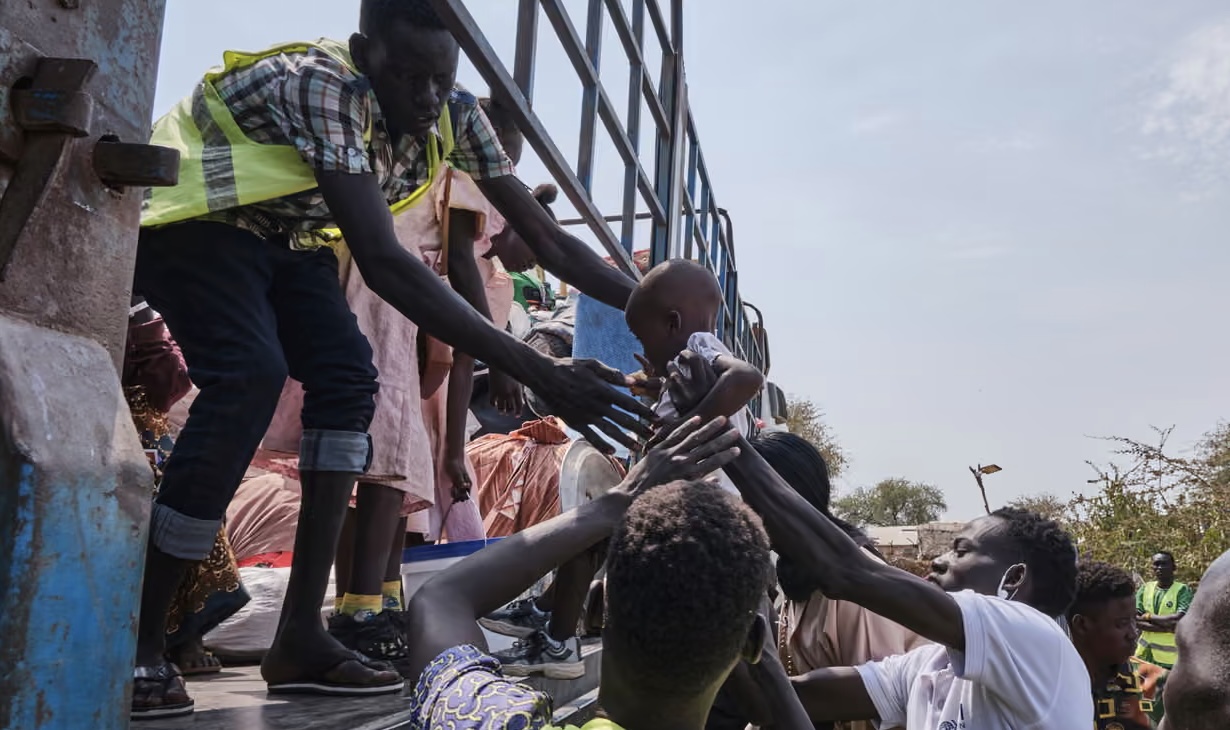
Sudan is experiencing the world’s largest humanitarian crisis, according to the International Rescue Committee. More than 11 million people have been displaced since April 2023, and 150,000 people have died in the conflict.
On April 15, 2023, a civil war broke out between the Sudanese Armed Forces (SAF) and Rapid Support Forces (RSF). Months of tension over security power and power in the state sparked the conflict.
The RSF was formed in 2013 under the dictatorship of Omar al-Bashir to defend Sudan against rebel armed groups, coups, and assassination attempts. Gen. Mohamed Hamdan Dagalo continues to lead the group.
In 2019, the RSF and SAF joined forces in a coup against Bashir and established a transitional government, with both groups governing the country until the next election.
Many pro-democratic protesters were surprised, as weeks before, the RSF was accused of opening fire on protesters outside the military headquarters, nearly injuring 400 people and killing 101.
In October 2021, both groups orchestrated a second coup against economist Abdalla Hamdok, who was appointed as prime minister following the overthrow of Bashir. Hamdok was granted a return in November 2021, but later resigned in January 2022 due to protests of his reinstatement.
Pro-democratic protesters saw Hamdok’s deal of reinstatement as aiding the military to take over rather than transitioning the country towards democracy.
Since Hamdok’s resignation, Sudan has operated under Gen. Abdel Fattah al-Burhan, the military commander of SAF, who has acted as de facto head of state.
In 2022, both groups were supposed to merge for a new framework towards a democratic government. However, both generals were unable to agree on how to integrate while maintaining their power stances, leading to the April 15 shooting.
The RSF “has resisted integration into the army, understanding it would lose its power,” Adel Abdel Ghafar, a fellow at the Middle East Council, said in an interview with Al Jazeera Media Network.
Both groups have committed war crimes, both carrying out indiscriminate attacks against civilians and blocking aid, according to BBC. However, only the RSF has been accused of committing ethnic, sexual, and gender based attacks, according to The New York Times.
The RSF has systematically murdered males of all ages, including infants, targeting ethnic Massalit and other non-Arab populations.
A Human Rights Watch report found the RSF has committed widespread sexual violence against women and children.
The RSF has since denied the allegations and said the SAF wore their uniforms to deceive the media about baseless killing, sexual violence, and targeting of civilian infrastructures, according to a statement in CNN.
In a press release, Amnesty International said, “The world has failed to protect civilians, provide sufficient humanitarian aid, or hold perpetrators accountable for these crimes. It’s time for people and governments around the world to establish the truth of what has happened in Sudan.”
Sudan’s military has been accused of war crimes, including bombing raids against protected infrastructure and the use of chemical weapons. This resulted in the United States imposing sanctions on Jan. 16, 2025, restricting the flow of weapons and holding leaders responsible.
A UN Human Rights Office report released on September 19 confirmed that civilian and ethnic violence have risen significantly, with 80% of total documented civilian deaths occurring this year alone.