By Madison Forrest
Boston University News Service
Slickbacks, jorts and so, so many polkadots. With so many people adopting niche styles from the social media algorithms, it seems like everyone is wearing the same things, on and off-line.
Bows were so major at the beginning of 2025; they were everywhere. But, they quickly got replaced with polkadots. The interesting thing with this change is how bows and polka dots were both emblems of girlhood and not some images made in a factory. They are accessible, and almost childish. Maybe that’s the appeal of certain trends: nostalgia.
The 2025 uniform constantly evolves; it’s always under reconstruction. Even within a year, we can’t define the major trending uniform because it is always changing. Different threads are pulled together to make a similar but different item.
Coro Vizcaino, a stylist and creative director for “Fabrio,” a Boston University fashion magazine, described the current uniform as “clean elegance” with kitten heels, slick back buns, black jeans and vests.
This phenomenon can be clearly seen in current trends, with the popular social media term “clean girl aesthetic.” The term is used to describe people rather than products: a true example of a personality trend. Personality trends are becoming more and more popular, and although the trends refer to specific character traits, the person needs the outfit and accessories to embody that aesthetic.
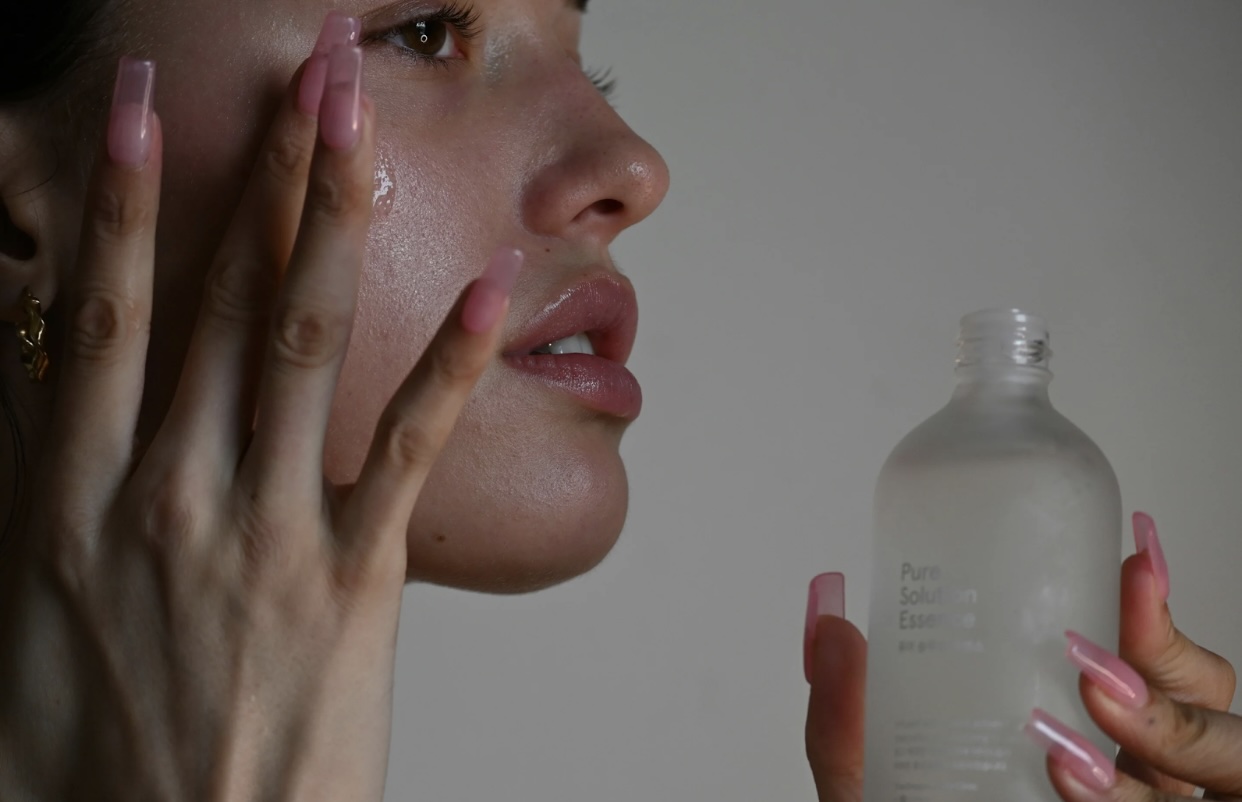
A clean girl needs dewy skin and minimalist, but evident, makeup. A bolero top paired with a matching yoga set, high-end sneakers and pinky-nude almond nails holding an iced matcha latte. Her outfit is expensive, with these items running up to over $600.
Social media has become a game of monkey see, monkey do. Social media influencers have gained their space on the apps by being credible and pushing forward styles and trends for all to trust and employ.
The problem is that everybody ends up wearing the same things. Just because something is accepted among the masses does not make it better than the alternative.
Some social media influences push this narrative of individuality by not conforming to the “uniform” of the time.
“Social media makes everyone look the same, but it also pushes people to stand out. It’s this weird paradox,” Vizcaino said.
She thinks fashion should not be taken too seriously. Try things from your friends’ closets, from people you see walking around, not just influencers, she advises.
Vuzciano said she loves what she calls “ugly fashion.”
“It’s fun to wear things ironically or as satire. It makes creativity endless,” she said. Although Vizciano buys some fast fashion, most of her clothes are second hand and most importantly purchased because she likes it, not because others are wearing it.
A lot of current trends are accessible second hand in Goodwill, such as polkadots or bows. Big corporations offer the same items at low costs, with 2-day shipping, making the competition unwinnable.
Amazon, Shein, Temu, ASOS and others are everywhere. Their ads are everywhere. Influencers push for certain trending styles as a part of their brand sponsorships. The impacts of fast-launching trends that are cheap with quick shipping not only hinders individuality, it greatly impacts climate change.
Fast fashion brands like H&M have been accused of greenwashing for presenting themselves as a sustainable brand through their environmentally-friendly lines, when their main source of income and the rest of the products are unsustainable and harmful to the environment.
An example is H&M’s Conscious Collection, launched in Spring of 2019. The line was promoted as being eco-conscious, but later ended in the multinational brand being sued for being “false” and “misleading.”
According to Earth.org, “we discard 92 million tons of clothes-related waste each year.” This large amount makes the impact of small clothing lines in large companies negligible.
The fast fashion problem is not one without a solution. According to ThredUp’s 2023 resale report, buying second hand reduces carbon emissions by an average of 25%.
Secondhand shopping sparks creativity, is easy on the budget and good for the environment. In a world where everyone dresses the same, it is also an impressive task to stand out.
“Personal style hasn’t gone extinct. It’s just harder to find,” Vizcaino said. We can choose to take on this creative freedom one piece of clothing at a time.