By Jaime Suarez Del Valle
Boston University News Service
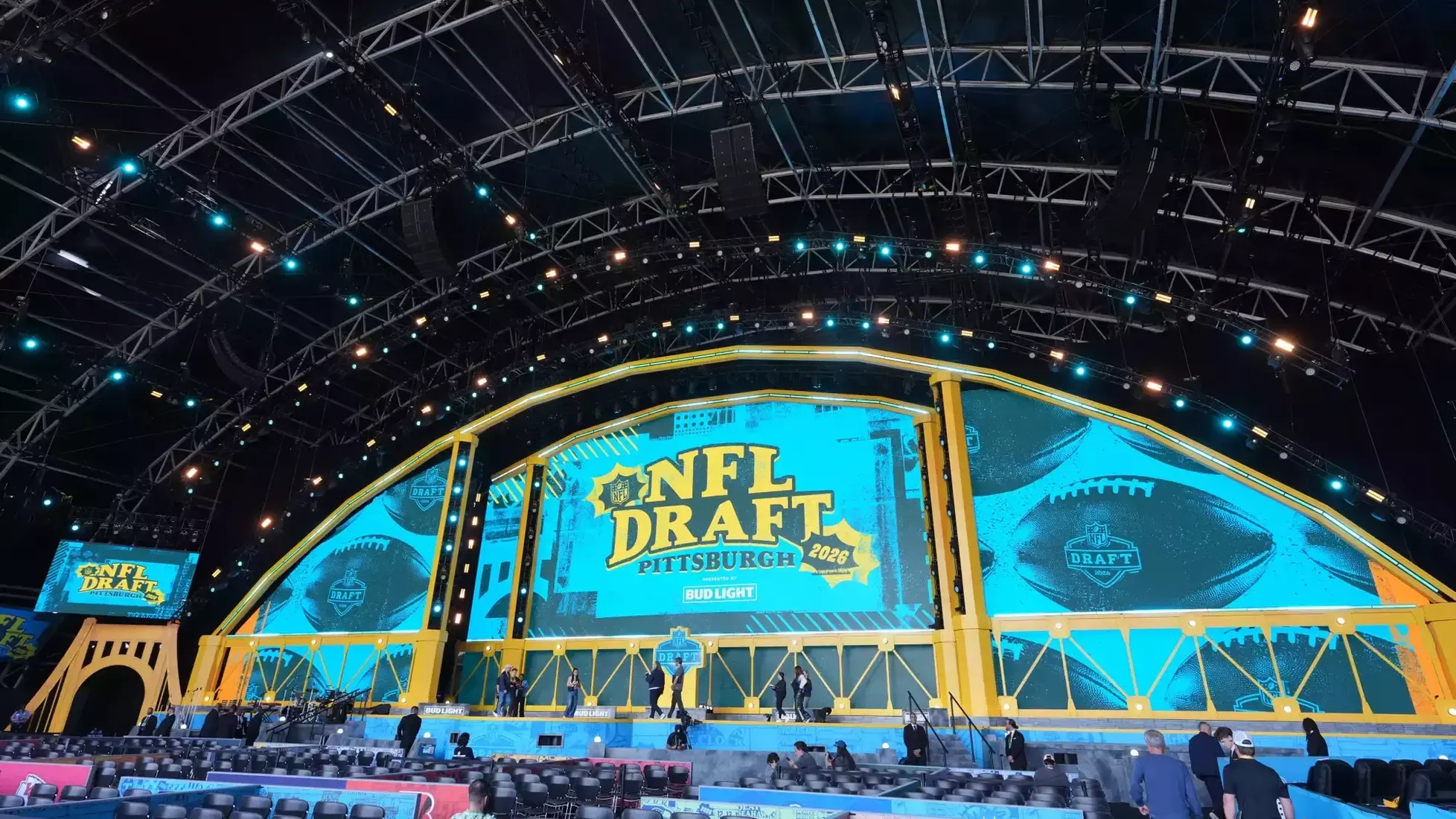
The 2026 National Football League Draft wrapped up at the end of last week and many teams’ hopes for a strong season have been renewed. NFL front offices feel like they have found the right group of guys they can build around for the future. While some are optimistic, fans and analysts have said otherwise. Many viewers were left scratching their heads at some of the decisions made on draft night, and some felt even more confused after hearing the team’s justifications. Even still, others are ready to run through a wall for their teams. Regardless of the reactions, these results cannot be truly measured until these players’ careers develop, but first impressions matter.
With that said, some teams did better than others, so here are the winners and losers of the 2026 NFL Draft.
Winners: The State of New York
The New York Jets and New York Giants took advantage of their early picks and addressed many positions of need on their respective rosters. The Jets took Texas Tech edge rusher David Bailey and Oregon tight end Kenyon Sadiq with their first two picks, and later traded up with the 49ers, taking Indiana wide receiver Omar Cooper Jr. towards the end of the first round. They double-dipped Indiana prospects and took cornerback D’Angelo Ponds in the second, rounding out a group of quality players taken within the first 100 picks. The Giants elected not to take Ohio State defensive standouts like linebacker Sonny Styles and safety Caleb Downs (letting them be drafted by division rivals instead), but they did take a Buckeye edge rusher in Arvell Reese at No. 5 and Miami tackle Francis Mauigoa at No. 10. Their day two picks were Tennessee corner Colton Hood and Notre Dame wideout Malachi Fields, the latter of which could pair nicely with New York’s star catcher Malik Nabers. New York has been a football blemish these past years, but they shone this weekend.
Loser: San Francisco 49ers
Two issues have plagued the 49ers organization in the 2020s: a flurry of injuries year in and year out, and poor drafting. This year was no different, as their draft truly began on day two when they took Mississippi wideout De’Zhaun Stribling, Texas Tech edge Romello Height and Indiana runningback Kaleon Black. All fine players, but many believe Niners general manager John Lynch took players he wanted way earlier than they were projected, especially when they opted out of taking players like Cooper, Jadarian Price, and Zion Young: same positions, but higher value. San Francisco’s success will depend on their depth, considering how frequently many of their players miss game time. Lynch and head coach Kyle Shannahan need to hope their draft woes don’t continue.
Winner: Dallas Cowboys
Dallas went into the draft needing to vastly improve their defensive roster, and that is what they did. They drafted Ohio State safety Caleb Downs, one of the top defensive prospects in the draft, at pick 11. The Cowboys were fortunate that their rivals, the Giants and Commanders, skipped on taking Downs, but nevertheless they seized the moment.They also took a pair of pass rushers in UCF’s Malachi Lawrence with their second first-rounder and Michigan’s Jaishawn Barham late in the third round, who they hope can become prominent players lined up alongside star defensive tackle Quinnen Williams. For a team looking to replace the hole left from trading Micah Parsons, this is a step in the right direction.
Loser: QB-Needy teams other than the Raiders
While Vegas got off the hook with Fernando Mendoza, the other teams in search of a future franchise player did not. It is not partially their fault, since the quarterback class they expected fell flat due to many passers’ values dropping and higher-touted prospects opting to stay in college one more year. This led to some interesting selections: The Rams reached hard for Alabama passer Ty Simpson, while the Cardinals and Steelers took Miami QB Carson Beck and Penn State QB Drew Allar in the third round. Meanwhile, the Jets, while they hit it out of the park with their draft, took the pitch while selecting a quarterback, taking Clemson’s Cade Klubnik in the fourth. An interesting one to keep an eye out for is Cleveland taking Arkansas’ Taylen Green, who joins a crowded — and winnable — quarterback competition between Shedeur Sanders, Dillon Gabriel and Deshaun Watson. It’s not like none of these players have a chance of panning out, but these teams will more likely reload for next year’s quarterback class unless these players do something about it.
Winner: Kansas City Chiefs
The Chiefs did not miss a step after an unusual down year that many point to as the end of the Patrick Mahomes dynasty. They made three picks within the first 40 selections: LSU cornerback Mansoor Delane, Clemson defensive tackle Peter Woods and Oklahoma rusher Mason Thomas. They also took a starter-caliber nickel corner in Jadon Canady, further showing their commitment to revamping their defense, especially in an offseason after they departed with starting pass-defenders Trent McDuffie and Jaylen Watson. Kansas City took their punches this year, but once Mahomes comes back into the lineup, the Chiefs might be ready for another run at the Lombardi trophy.
Loser: Jacksonville Jaguars
The Jaguars, unlike the Chiefs, had to wait for day two of the draft to jump into the fray. Their first pick was the No. 56 overall selection in the second round since they traded away this year’s first round pick to Cleveland for a chance to draft Travis Hunter last year, whose season was not ideal. They made the most of it by drafting a tight end, specifically Nate Boerkircher from Texas A&M. This was a position they did not really need to fill, especially with their first selection of their rookie class. The third round was a little better, where they took Aggies nose tackle Albert Regis and Oregon guard Emmanuel Pregnon, but ended with Maryland safety Jalen Huskey, who many don’t consider much of a starter. For a team with 11 picks and no first-rounder, they did not address dire needs as much as they needed to, especially as a team that wants to stay competitive in a crowded AFC conference.
Other Draft Nuggets:
- WR Carnell Tate to Tennessee at No. 4: The Titans plan on pairing the Ohio State player and best receiver prospect with last year’s No. 1 overall pick Cam Ward. In a team whose best pass-catcher is Wan’Dale Robinson, Tate can jump in and immediately contribute.
- LB Sonny Styles to Washington at No. 7: This was the best-case scenario for the Commanders. The top linebacker prospect fell into their lap when they desperately needed to go younger and better at the position after Bobby Wagner piloted the defense for the last two years. After an injury-riddled down year, the Commies’ defense heads in the right direction.
- EDGE Reuben Bain Jr. to Tampa Bay at No. 15: Arguably one of the best pass rushers in the draft, Bain slid down the draft boards while some rush-needy teams skipped him in favor of addressing other needs (teams such as the Saints, Ravens and the Dolphins, who he shared a stadium with during college, come to mind). Now he gets to stay in the state with a team in need of a big defensive playmaker that will help them bounce back in the NFC South next season.
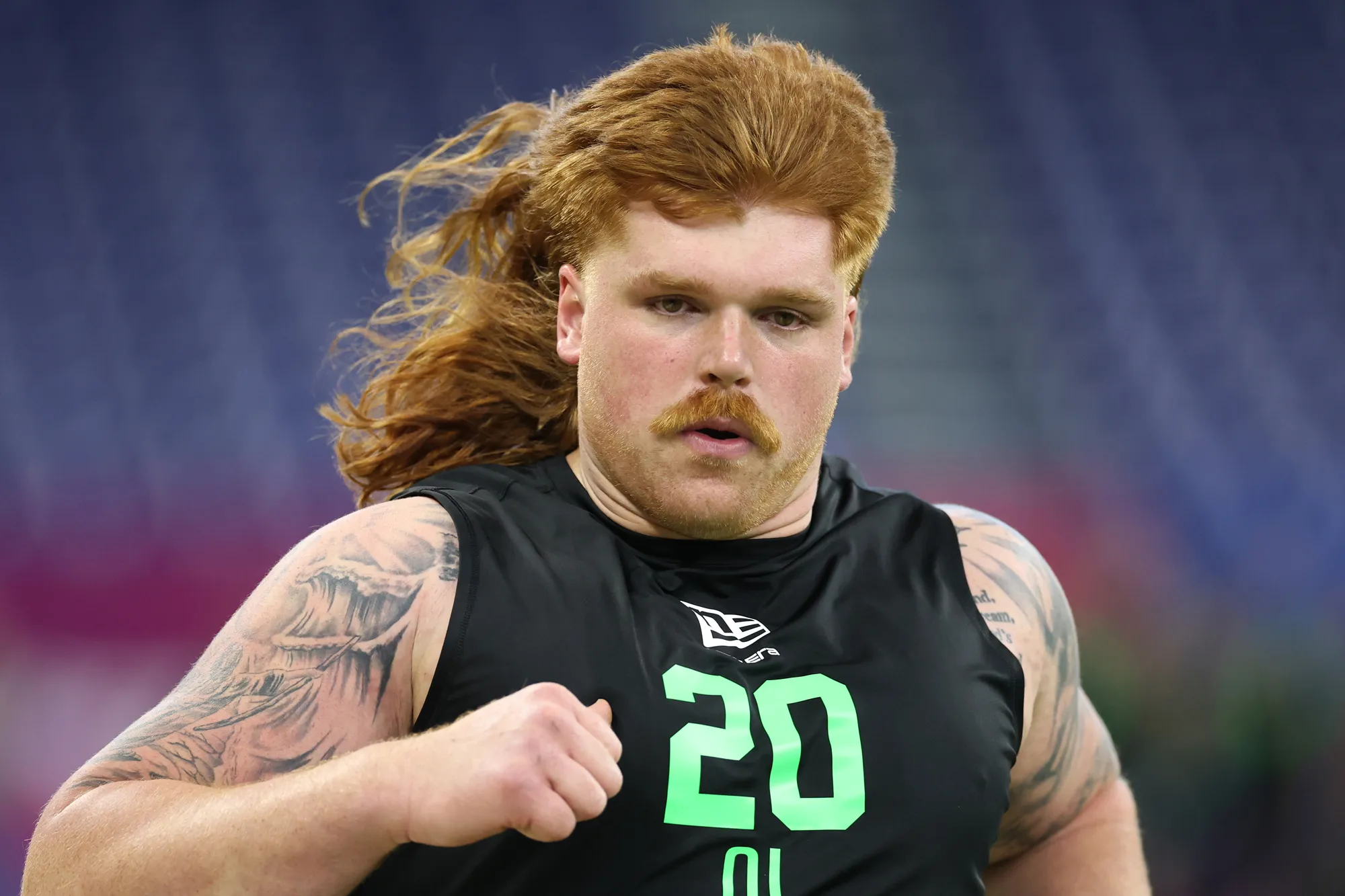
- G Gennings Dunker to Pittsburgh at No. 96: This was a great value pick for the Steelers, who wanted to add a young guard to their already young and talented offensive line. But this picture tells you why this pick makes the cut: