
By Zengqi Guo
Boston University News Service
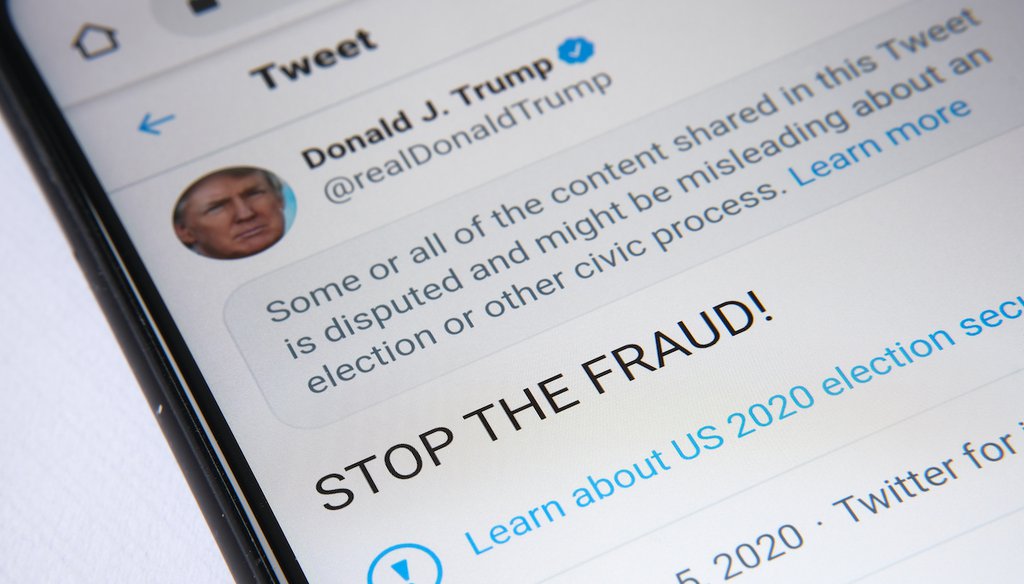
Six years ago, misinformation in former President Donald Trump’s communication became a major topic of public discourse. As the 2024 election approaches, some media outlets are implementing bans on extreme opinions and posts on social media, including the limitation of Facebook and X for Trump. For some, these rules might impact their vote.
“I think media ban is definitely one of the deciding factors. Young voters can easily be affected by the media, especially some big social platforms like Instagram and X,” said Sydney Topf, Executive Producer of the Boston University Election Show. “These are platforms for people to share and discuss opinions.”
Social media has fundamentally altered the landscape of political campaigning, as it has enabled candidates to communicate directly with voters. Platforms such as X, Facebook and Instagram have become essential tools for outreach and engagement.
Past controversies, such as Facebook’s unauthorized use of user data to push tailored content, have raised significant ethical concerns. Additionally, the proliferation of misinformation played a crucial role in shaping voter perceptions during previous elections.
In the wake of the insurrection at the U.S. Capitol on Jan. 6, 2021, both X and Facebook took significant action by suspending Trump’s accounts. They cited concerns about incitement to violence and the risk of further unrest. X opted for a permanent ban, while Facebook imposed an indefinite suspension, which was later upheld for a minimum of two years.
Thalia Patiño Molano, a BU student majoring in political science, said media bans like these are a beneficial thing for the people who don’t recognize misinformation.
“I think media bans are beneficial overall, even though in some cases, like myself as a community organizer, I can’t advocate for certain political issues on social media without it being banned or not being able to boost or share it with certain people,” Molano said. “It is a form of protecting our viewers who aren’t aware of the differences between a real or fake news post.”
The landscape shifted dramatically with Elon Musk’s acquisition of Twitter, which he rebranded as X. According to CBS News, under Musk’s leadership, the platform has seen a notable decline in the enforcement of content moderation policies. His actions have transformed X from a major source of real-time news into a platform increasingly associated with conspiracy theories and misinformation, partially due to the disbanding of trust and safety teams and the dilution of content guidelines.
“It’s Musk’s main task to ‘protect’ freedom, but what about protecting our security and democracy?,” Molano said.
Vice President Kamala Harris has not expressed her opinion about social media, even though she has noted the national security concerns with these apps, and the importance of numberless users.
Whether it’s X or Facebook, which are widely used by adults, or TikTok, which targets teenagers, each platform presents challenges that candidates must consider.



great!