By Ananya Swaroop
Boston University News Service
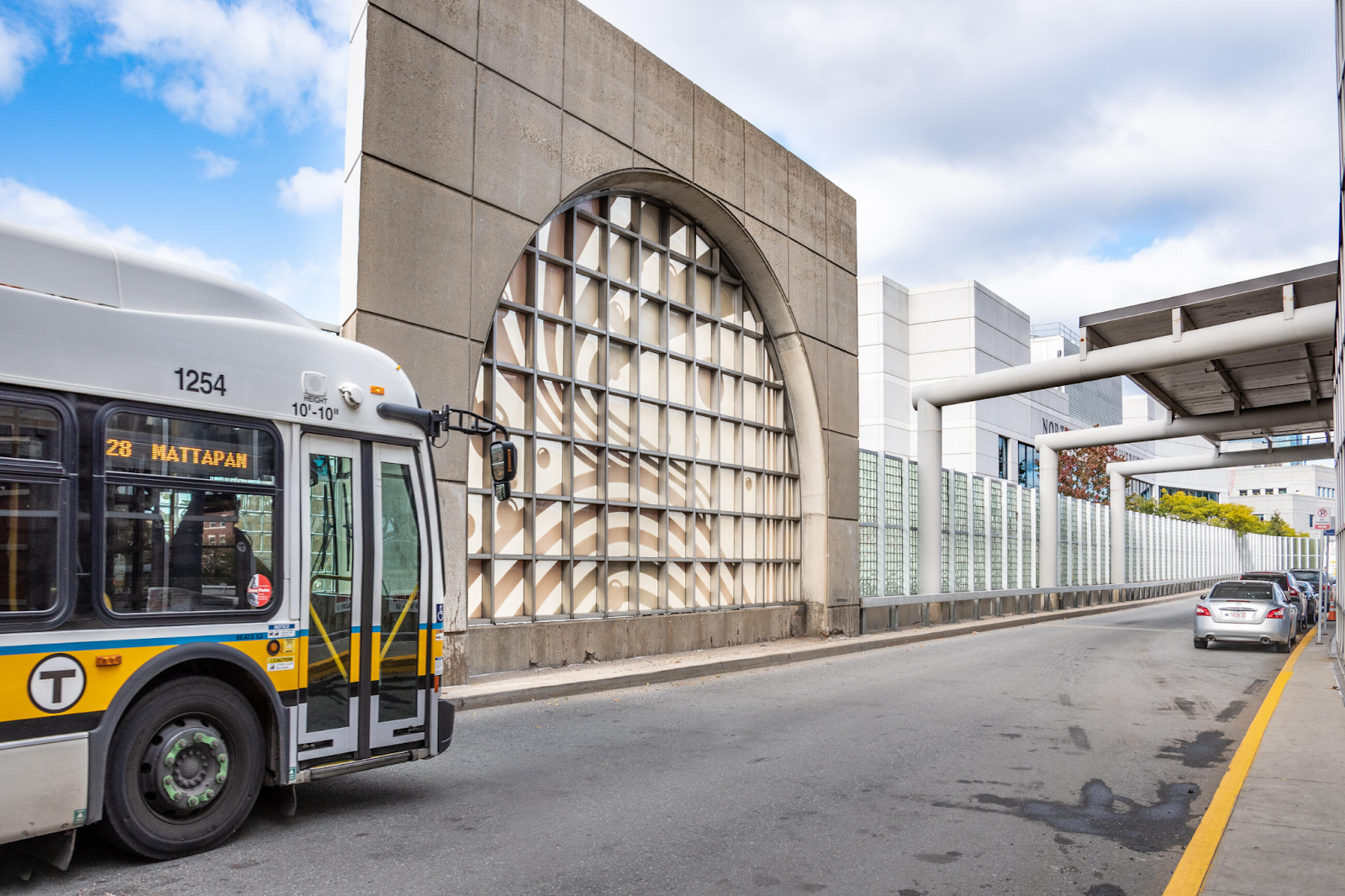
The Boston government’s fare-free transit program has been extended for three more months until June. The city will be using the remaining federal relief funds to cover the fares on three MBTA routes, including routes 23, 28 and 29. While commuters find relief with the extension, the question remains whether they believe this program has been effective for their daily commute.
The free bus program was launched in 2021 with just one bus route. When Mayor Michelle Wu took office, she expanded the system by adding two more routes to the program. Buses servicing in Dorchester, Mattapan and Roxbury have been fare-free ever since. In a press release shared in February 2026, Wu stated that the program has been extended.
“Fare-free bus service helps families, workers, and businesses, and also makes bus service faster and more reliable,” the mayor said. Since the launch of the fare-free pilot, 24,000 trips have been taken fare-free every weekday and ridership grew by 35% in the first year, according to the official press release.
However, many bus riders believe that the program is not a resounding success. Dianara Rivera, 29, often takes bus 21 to Forest Hills. Rivera says that she saves money because of the free bus program, but her commute has not been easy. “The buses are often packed, and they don’t come as often.”
“When I miss one [bus] because it is too full, it is often 20+ minutes before the next one [comes], with no guarantee that that one won’t be full either,” Rivera added. TransitMatters’ annual report supports Rivera’s concerns. The 2025 annual Pokey/Schleppie Awards report reveals that bus service got slower and less reliable in 2024.
The MBTA gets $340,000 from the city of Boston every month to cover the cost of the program. In late 2025, the mayor told WBUR that there was some funding left from the American Rescue Plan Act funds to continue the program until June 2026.
Kallejhay Terrelonge, 26, says that the free-fare program should be expanded. “I think that makes such a difference in life.” She adds that the program should be extended in neighborhoods like Roxbury and Dorchester, which are “where people sometimes might find it difficult to afford transportation or other little things.”
The City of Boston reveals that the families have been using the money “toward groceries, medicine, rent, or school supplies.” According to the evaluation reports from the Boston government, some riders have expressed that the program has “helped them build emergency funds, cover school expenses, or simply stay in their homes.”
Caitlin Allen-Connelly, executive director of the group TransitMatters, however, says that the Boston government should focus on the T system instead. “A bigger issue, in Boston in general, is that the buses, including the buses in the fair-free program, spend far too much time stuck in traffic,” Allen-Connelly told WBUR.
Interim Transportation Secretary and MBTA General Manager Phil Eng said in a statement that the team would be “pleased to be able to support” the city’s fare-free program.
Wu has been advocating for free public transport since his days as a city councilor. During her first mayoral campaign in 2021, she had pledged to make fare-free transit possible. However, as Wu enters her second term as mayor, the city only has three free bus routes.