
By Ananya Swaroop
Boston University News Service
Kratom, a controversial drug that is legally sold at the state level in Massachusetts, is currently facing a wave of local bans and tightening restrictions. 20 cities and towns, including Lowell, Chelmsford, Dracut, Belchertown and Kingston, have prohibited the manufacturing, sale, and distribution of kratom. Now, Boston is likely to join the bandwagon.
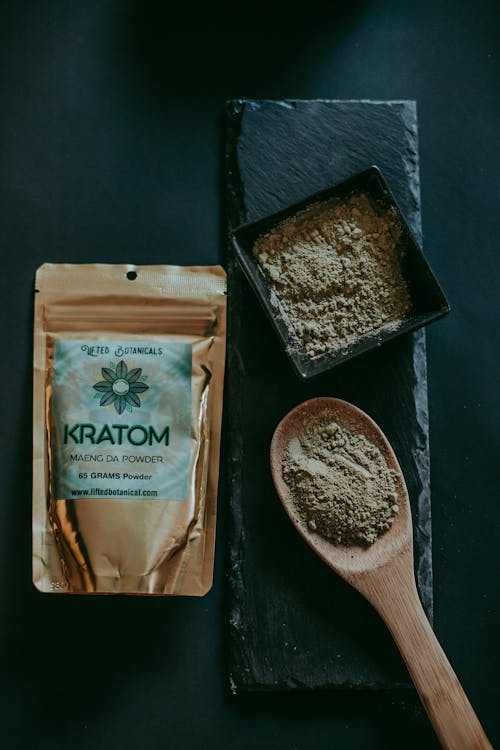
Often sold in smoke shops and gas stations, kratom emerged as an unregulated product in America. A native plant found in Southeast Asia, the drug is often used as a natural remedy for pain, anxiety and even opioid withdrawal. While these benefits are what made this drug popular in America, experts have also warned users of its harmful effects.
The FDA has warned that its use can increase the risk of liver toxicity, seizures and substance use disorder (SUD). This has brought kratom to the center of a growing public health debate. City officials, medical experts, and families are now weighing in on whether Boston should regulate or ban its use altogether.
Several Boston City Council members have drafted an ordinance that would ban kratom sales in the city. Council members highlighted that customers can buy kratom easily and the increased use has caused side effects, including users losing their lives.
City Councilor John FitzGerald, who chaired the hearing, expressed his concerns. “It’s caused overdose, death, sickness, hospital visits from people thinking that this is marketed as an energy drink or [something to] help you with aches and pains,” he told GBH News.
The FDA is targeting to control kratom products that contain 7-OH, a concentrated byproduct of the plant. “Vape stores are popping up in every neighborhood in America, and many are selling addictive products like concentrated 7-OH. After the last wave of the opioid epidemic, we cannot get caught flat-footed again,” said FDA Commissioner Marty Makary.
The council members aim to ban the synthetic version of the drug, which is undetectable in standard drug testing. Since it is a fairly new drug in the market, the members hope to have a system in place with restrictions on the sale of non-synthetic or natural kratom without an ID.
Research by the US Centers for Disease Control and Prevention showed that there was an increase of approximately 1,200% in kratom-related exposure reports between 2015 and 2025. American males accounted for the highest percentages of reported cases.
Holly Trouville lost her son Tyrell in 2024. He died of mitragynine toxicity after consuming “safe and natural” kratom products. She told GBH that she is hoping that if Boston implements a ban, more cities and towns will follow suit.
“If Boston did ban all kratom, I think that would be huge,” Trouville said. “If you’re a larger city with almost a million people in it saying it’s a problem … I think a lot of other towns and cities would look at [Boston] and say, ‘Why are they banning?’”
With the push in Boston, FitzGerald hopes that the ban in the city would encourage the state to regulate kratom. A decision is now expected in the coming months. Meanwhile, kratom remains legal in the city, but its future looks increasingly uncertain.